

Quick Style Summary
Learning how to tie a full Windsor knot is one of those skills that looks harder than it actually is. This guide walks you through each step, explains when the knot works best, and covers the collars and tie widths that suit it. Whether you’re prepping for an interview or a black-tie event, you’ll have this down after two or three tries.
Table of Contents
Everything You Should Know
Ever stood in front of the mirror, tie in hand, wondering why your knot looks lopsided compared to the bloke two desks over? You’re not alone. This particular knot has a reputation for being fiddly, mostly because most guides rush through the steps or skip the bit where the tie ends up too short.
This guide covers the full process from start to finish, plus the collar types, tie fabrics, and occasions where a full Windsor knot actually makes sense. In my experience, most men only need it a handful of times a year, but knowing it properly means you’re never caught out before a big meeting or interview.
We’ll also cover the half Windsor debate, since that’s usually the next question once you’ve got the basics sorted.
What is a Full Windsor Knot?
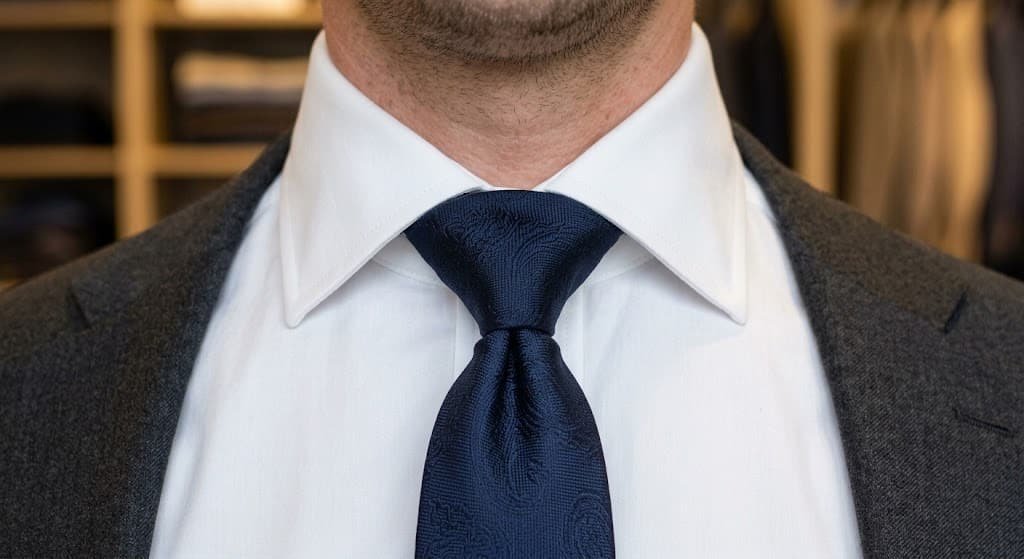
The full Windsor knot (sometimes just called the “Windsor knot”) is a large, triangular, symmetrical tie knot that uses more fabric than most other knots. It’s named after the Duke of Windsor, though the story that he invented it is disputed; he reportedly just wore thicker ties that created a wider-looking knot.
It matters in workplace and social settings because it signals a certain level of formality. It fills a spread collar well and holds its shape through a long day, which is why it shows up at interviews, weddings, and boardroom presentations.
The main difference is the name —some American guides call it the “double Windsor,” which is confusing since that’s technically a different (and rarer) knot. When Americans say “double Windsor,” they usually mean this same knot, not a genuinely doubled-up variant.
Quick Reference Table
| Item | Wear This | Avoid This |
| Collar | Spread or cutaway collar | Button-down collar |
| Tie fabric | Medium-weight silk | Thick wool or knitted tie |
| Tie width | Standard (7-8.5cm) | Skinny tie (under 6cm) |
| Shirt | Solid colour or subtle pattern | Busy or clashing pattern |
How to Tie a Full Windsor Knot
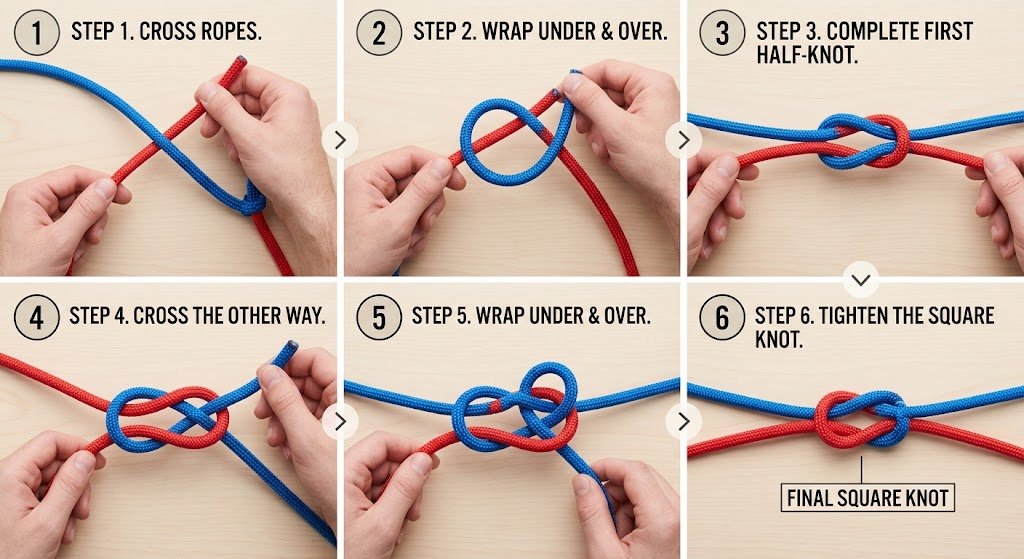
Here’s the step-by-step process. Begin with the tie around your neck, wide end on your right, hanging down about 30cm lower than the narrow end.
Step-by-step:
- Step 1: Cross the wide end over the narrow end. Step 2: Bring the wide end up through the neck loop.
- Then pull it down and roll it behind the narrow end, right to left.
- Bring the wide end up through the neck loop again, and down in front.
- Pass the wide end through the loop you just created, moving left to right.
- Bring the wide end across the front, left to right, then up through the neck loop one final time.
- Thread it down through the knot at the front and tighten gently, sliding the knot up to the collar.
Best for: interviews, formal weddings, business presentations, black-tie events with a standard collar.
If the tie ends up too long or short, that usually means your starting position was off — adjust the initial length and try again. This is the most common issue people run into, and it’s purely down to practice rather than a wrong technique.
Full Windsor Knot vs Half Windsor vs Double Windsor
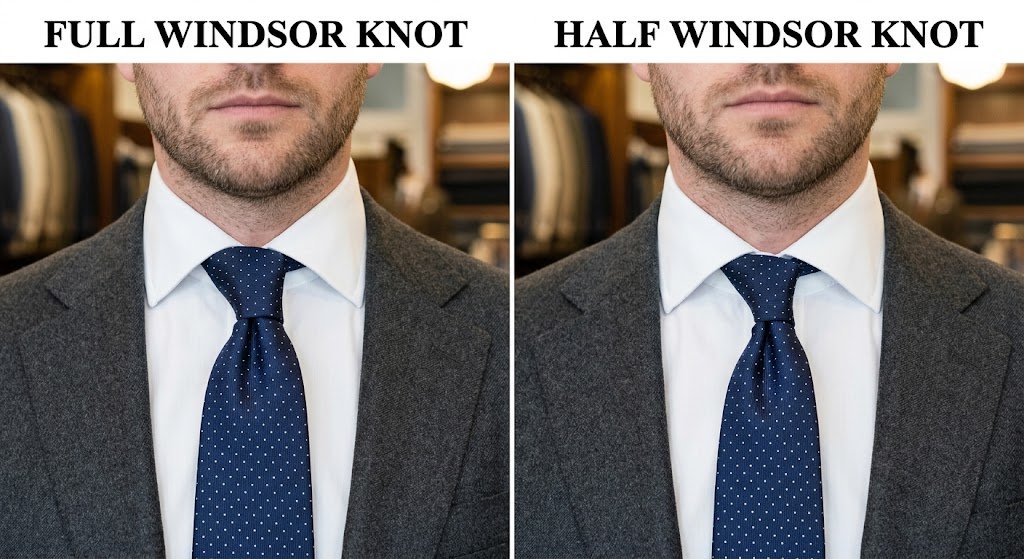
This trips a lot of people up, so here’s the short version:
- Full Windsor: large, symmetrical, triangular. Best for spread collars and formal occasions. Uses the most fabric of the three.
- Half Windsor: smaller and slightly asymmetrical. Works well for most everyday shirts and collar types—a good middle-ground choice.
- “Double Windsor”: in the US, this term is usually just another name for the full version. A genuinely double-wrapped knot exists but is rarely worn — it’s bulky and better suited to very specific formal contexts.
Do: choose a half Windsor for daily office wear if your ties feel bulky in a full Windsor. Don’t: assume a half Windsor is “less professional” — it’s simply a different proportion, not a lesser one.
Common Mistakes to Avoid

Mistake 1: Starting with the wrong tie length. Why: This knot uses more fabric than others, so your tie needs to start longer on the narrow-end side. Instead: Begin with the wide end about 30cm below the narrow end before you start wrapping.
Mistake 2: Using a thick or knitted tie. Why: Thick fabric makes the knot bulky and misshapen, especially under a spread collar. Instead: Stick to a medium-weight silk tie for a cleaner finish.
Mistake 3: Pairing it with a button-down collar. Why: Button-down collars sit close together and don’t leave room for a wide knot. Instead: Save this knot for spread or cutaway collars.
Mistake 4: Rushing the final tighten. Why: Pulling the knot tight before it’s properly shaped leaves it lopsided. Instead: Shape the knot loosely first, slide it up gently, then tighten.
Mistake 5: Skipping the dimple. Why: A flat knot looks unfinished, especially for formal events. Instead: Pinch just below the knot as you tighten to create a subtle dimple.
Budget Guide — Ties for Every Price Point
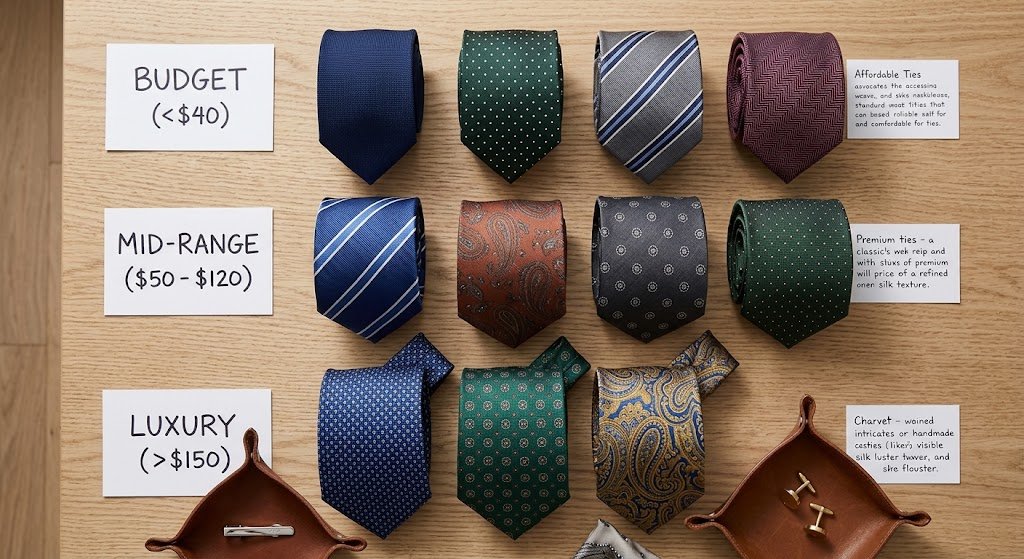
Under £50 / $50: Shop at: Next, ASOS, Uniqlo, or Old Navy. Focus on: solid colours and simple stripes in polyester-silk blends. Best value: a navy or burgundy tie that works across multiple outfits
£50-150 / $50-150: Shop at: Charles Tyrwhitt, Reiss, J.Crew, or Banana Republic. Best quality-to-price: pure silk ties with proper interlining. Investment pieces: one navy, one grey, one patterned tie in this range
£150+ / $150+: Shop at: TM Lewin premium lines or Nordstrom‘s designer selection. Worth it for: ties you’ll wear repeatedly for formal events or interviews. Why spend more: heavier silk holds its shape better over a full day and through repeated tying
Seasonal Notes
Summer version: stick to lighter silk or silk-linen blends, which knot cleanly without adding bulk in warm weather.
Winter version: slightly heavier silk ties pair well with wool suits, though avoid anything too thick for this particular knot.
UK weather note: if you’re commuting in the rain, a polyester-silk blend tie holds its shape better than pure silk when it gets slightly damp.
Frequently Asked Questions
Q: How do you tie a full Windsor knot?
A: Cross the wide end over the narrow end, bring it through the neck loop, wrap it behind, then loop it through the front twice more before threading down through the final knot and tightening. It takes six steps in total and gets easier with practice.
Q: Can I wear a full Windsor knot with a button-down collar?
A: It’s not ideal. Button-down collars sit close together and don’t have enough spread for a full Windsor knot to sit properly.
Q: Where can I buy a good tie for this knot?
A: Charles Tyrwhitt and Reiss in the UK, or J.Crew and Banana Republic in the US, all sell medium-weight silk ties suited to it. Look for standard width (7-8.5cm) rather than skinny ties.
Q: Is a full Windsor knot appropriate for a job interview?
A: Yes, it’s one of the safest choices for interviews, particularly in finance, law, or corporate roles. Pair it with a spread-collar shirt and a solid or subtly patterned tie for the most polished look.
Q: Is the full Windsor knot called something different in the US?
A: Some American guides call it the “double Windsor,” though this usually refers to the same knot covered here. A separate, genuinely double-wrapped knot exists but is rarely worn.
Q: Do I need an expensive tie to tie this knot well?
A: No. A £25-£40 / $30-$50 tie from Next or Uniqlo ties it just as well as a £150 one. The main difference at higher price points is fabric weight and how the knot holds its shape by the end of the day.
Final Style Notes
Getting this knot right comes down to practice more than anything else. Once you’ve tied it five or six times, your hands remember the sequence without much thought. Start with a plain tie in a forgiving fabric, and don’t worry if your first few attempts come out slightly uneven.
If you’re deciding between knots for a specific event, it’s worth reading up on half Windsor knots for everyday office wear, or checking a guide on matching tie widths to lapel sizes if you’re building out a full interview outfit. A guide to spread vs cutaway collars is also worth a look if you’re shopping for new shirts to pair with this knot.
Not sure what to wear?
Use our Men's Outfit & Dress Code Generator to get a personalised outfit based on your occasion, workplace and weather.
Try the Outfit Generator →