
Business casual,
without the guesswork.
Practical, no-nonsense style guides on fit, fabric and finish — for men who want to look sharp at work without rethinking the wardrobe every Monday.
 The daily
uniform
Get the shape right first
Trousers that break once, not three times. Jackets that skim the shoulder instead of swallowing it. We show you what to check in thirty seconds, not thirty pages.
Cloth that works as hard as you do
Wool blends that shrug off a long-haul flight. Cotton that survives a 6am gym session and a 9am stand-up. We rank what’s actually worth the extra cost.
The details that read as considered
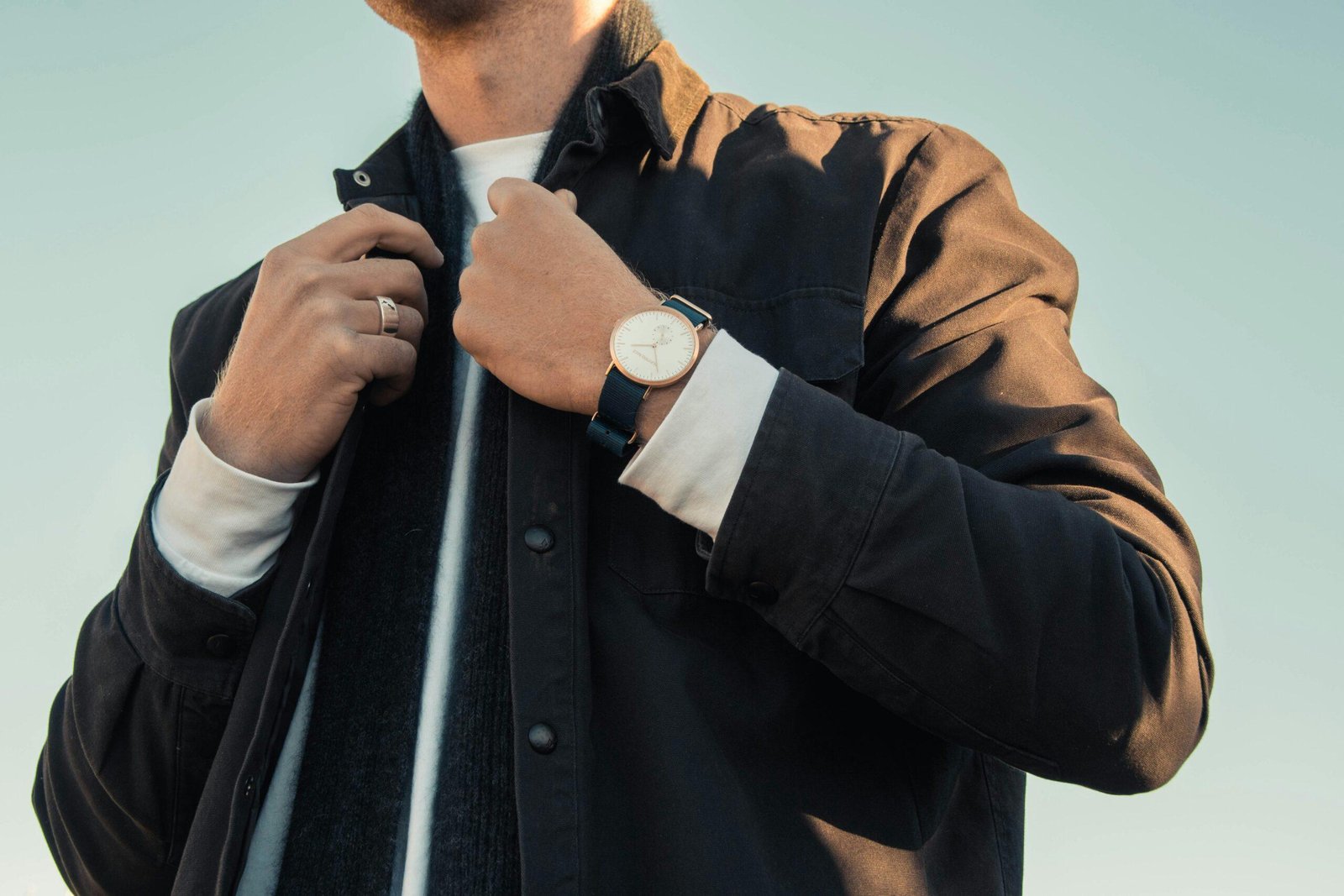
A watch, a belt, a pair of shoes — the three things people notice even when they’re not looking. Small choices, outsized effect.
Start wherever you’re getting dressed from

Workplace style
What “business casual” actually means at a fintech, a law firm and a creative agency — because it’s not the same dress code.
Read the guides →
Wardrobe essentials
The dozen pieces worth owning before anything else, and the ones every “top 10” list gets wrong.
See the checklist →
Travel & occasion dressing
Packing one bag for a client trip that covers the flight, the dinner and the meeting — without checking luggage.
Pack smarter →“Business casual isn’t a loophole in the dress code — it’s the discipline of looking considered without looking like you tried.”How we edit every guide
SEO META DATA
- Meta Title: What Is Business Casual for Men? Complete Guide
- Meta Description: Confused about business casual for men? Get clear rules, outfit examples, shoe picks, and seasonal tips to help you dress right every time.
- URL Slug: /business-casual-men-guide
What Is Business Casual for Men? The Complete Style Guide
Standing in front of your closet, unsure what “business casual” even means, wastes time and creates stress before your workday starts. Guess wrong, and you risk looking sloppy next to your manager or overdressed next to your team. This guide breaks down business casual for men into clear rules, real outfit examples, and season-specific tips you can use starting tomorrow morning.
What Is Business Casual for Men?
Quick answer: Business casual for men means dress pants or chinos, a collared shirt, and closed-toe leather shoes, usually worn without a tie or matching suit.
This dress code sits between a formal suit and weekend streetwear. It skips the strict jacket-and-tie rule but still expects clothes that look neat, fitted, and intentional. Most companies treat business casual menswear as anything professional that doesn’t feel stiff or overdone.
The exact rules shift from office to office. A law firm’s version looks sharper than a tech startup’s version down the street. When you’re unsure, dress slightly above what you see around you rather than below it.
Core pieces that define business casual men’s style:
- Collared shirts: button-down, oxford, or polo
- Chinos, dress trousers, or dark, unripped jeans
- A blazer or sport coat (optional layering piece)
- Loafers, derby shoes, or clean leather sneakers
- A leather belt that matches your shoes
Business Casual vs. Business Professional for Men
Business professional means a full matching suit, dress shirt, tie, and polished formal shoes, with no real exceptions. Business casual men’s attire drops the tie and swaps the matching suit for separates, like a blazer paired with different-colored trousers.
Picture business professional as boardroom-ready and business casual as client-meeting-ready. Both dress codes call for pressed clothes and clean shoes, but business casual gives you more freedom to add color, texture, and personal style.
Quick comparison:
- Business professional: matching suit + dress shirt + tie + oxford shoes
- Business casual: blazer or no jacket + collared shirt + chinos + loafers
- Smart casual: fitted polo or knit + chinos or dark jeans + clean sneakers
Business Casual Men Attire: Core Wardrobe Essentials
Building a business casual wardrobe gets easier once you know which pieces actually earn a spot in your closet. The table below breaks down the essentials and how to style them.
| Wardrobe Piece | Why It Works | Best Pairings |
|---|---|---|
| Chinos | Neater than jeans, more comfortable than dress pants | Oxford shirt + loafers |
| Oxford shirt | Works alone or layered under a blazer | Chinos or dress pants |
| Polo shirt | Casual but tidy for warm days | Chinos + loafers or boat shoes |
| Blazer | Instantly sharpens any outfit | Dress shirt + chinos |
| Loafers | No laces, easy to dress up or down | Chinos, dress pants, or dark jeans |
| Crew-neck sweater | Adds warmth without looking sloppy | Collared shirt underneath |
| Leather belt | Pulls the whole outfit together | Match the color to your shoes |
| Dark jeans | Accepted in many modern offices in place of chinos | Blazer + loafers or clean sneakers |
Keep every piece in this table in neutral colors first (navy, gray, khaki, white, black), then add one accent color once you know your office’s actual dress culture.
Business Casual Men Shirts: What to Wear on Top
The shirt you choose sets the tone for your whole outfit. An oxford button-down works for almost any office and layers well under a blazer or sweater.
Polo shirts are a business casual staple, especially in warmer months or more relaxed workplaces. Pick a fitted style with a small logo, or none at all, to keep the look professional rather than sporty.
Solid colors and subtle patterns, like thin stripes or small checks, read as more polished than bold graphics. Save patterned or brightly colored shirts for offices you already know are relaxed.
Reliable business casual men shirts to build around:
- White or light blue oxford button-down
- Fitted polo in navy, white, or gray
- Chambray shirt for a slightly more casual feel
- Fine-knit quarter-zip for cooler days
Business Casual Men Shoes: What Works and What to Skip
Shoes finish the outfit, and they’re where a lot of men lose points without realizing it. Loafers are the easiest, most versatile choice because they pair with chinos, dress pants, and dark jeans alike.
Derby shoes and Chelsea boots add a slightly dressier edge, which works well for client meetings or interviews. Clean, low-profile leather sneakers in white, gray, or navy have also become acceptable in many modern offices, though it’s smart to confirm this with a coworker first.
Skip flip-flops, sandals, athletic sneakers, scuffed shoes, and anything with bright, visible branding. One easy rule to remember: no bare skin should show between your pant hem and your shoe, so wear socks that match your trousers, not your shoes.
Business Casual Men Jeans: Are They Really Allowed?
Yes, jeans can work for business casual, but only under specific conditions. Choose a dark wash, like indigo or black, with no rips, fading, or distressing.
Well-fitted, straight or slim jeans (not skinny, not baggy) read as intentional rather than lazy. Pair them with a blazer, oxford shirt, or sweater to keep the outfit balanced and office-appropriate.
Skip jeans entirely for job interviews unless you’ve confirmed the company culture is casual, and avoid them in conservative fields like law, banking, or government. When in doubt, chinos are always the safer choice.
Business Casual Men Summer: Staying Cool Without Looking Sloppy
Summer business casual for men comes down to fabric choice more than anything else. Lightweight cotton, linen blends, and breathable chino fabrics keep you cool while still looking sharp.
Short-sleeve button-downs and polos work for most warm-weather offices, especially paired with lighter-colored chinos. Skip the blazer on the hottest days, or choose an unstructured, unlined version if your office still expects one.
Footwear tips for business casual men in summer:
- Loafers with no-show socks (never bare ankles in a formal setting)
- Suede or canvas loafers for a lighter summer feel
- Breathable leather sneakers for casual Fridays
Lighter colors, like tan, light gray, and pale blue, also help you look put-together without overheating by mid-morning.
Business Casual Men Winter: Layering the Right Way
Winter business casual for men is all about smart layering. Start with a collared shirt, add a crew-neck or V-neck sweater, then top it with a wool or wool-blend blazer for warmth and structure.
Wool or flannel-lined trousers keep you comfortable in cold offices without sacrificing a professional look. Darker colors, like charcoal, navy, and deep green, also suit the season better than summer’s lighter palette.
For outerwear, a wool overcoat or a quality peacoat works over almost any business casual outfit without clashing. Finish with leather boots, like Chelsea boots, or classic derby shoes instead of summer loafers.
Business Casual Men Interview: How to Dress to Get Hired
A business casual interview outfit should lean slightly more formal than your everyday work outfit. A collared shirt, dress pants or chinos, a blazer, and polished leather shoes make a safe, confident choice for almost any office.
Before your interview, check the company’s website, LinkedIn page, and any employee photos you can find. This tells you whether their version of business casual for men leans more formal or more relaxed.
Overdressing slightly is almost always safer than underdressing. If you’re genuinely unsure, a blazer over a button-down shirt works for nearly every business casual interview, and you can remove it once you see how the office actually dresses day to day.
For video interviews, dress fully from the waist up in case you need to stand, choose solid colors over busy patterns, and test your lighting and background beforehand.
Common business casual men interview mistakes to avoid:
- Wearing jeans or sneakers without confirming the culture first
- Choosing ill-fitting or wrinkled clothing
- Skipping a blazer entirely for client-facing or leadership roles
- Wearing strong cologne or an overpowering scent
Modern Business Casual Men: How Office Dress Codes Keep Changing
Modern business casual for men looks noticeably more relaxed than it did a decade ago. The trend traces back to Silicon Valley’s tech culture, which favored comfort and results over rigid formality, and it spread nationwide once casual-wear brands sent styling guides to corporate HR departments in the 1990s.
Hybrid work, casual Fridays, and continued tech-industry influence have pushed even traditional offices toward comfort-first fabrics and simpler silhouettes. Dark, unripped jeans now appear in plenty of workplaces that once allowed dress pants only, and clean sneakers have followed the same path, especially in tech, marketing, and creative industries.
Despite the shift, one rule hasn’t changed: modern business casual men’s style still expects clothes that fit well and look intentional. Comfort doesn’t mean sloppy, and relaxed doesn’t mean wearing whatever happens to be clean.
Industries still lean more formal or more casual based on client contact and tradition:
- More formal: law, banking, finance, government, consulting
- More relaxed: tech, marketing, startups, creative agencies, education
Elevated Business Casual Men: Small Upgrades That Get Noticed
Elevated business casual for men isn’t about buying more clothes. It’s about choosing better versions of the same basics: quality fabric, a cleaner fit, and small details that show you put thought into the outfit.
Start with tailoring. A modestly priced shirt that fits perfectly looks better than an expensive shirt that doesn’t, and most tailors can fix sleeve length or a baggy waist for far less than the cost of buying new.
Small accessories make a bigger difference than most men expect. A simple leather watch, a belt that matches your shoes exactly, and well-kept grooming push an outfit from fine to genuinely put-together, without adding a single new garment.
Ways to elevate a business casual men’s outfit instantly:
- Get key pieces tailored, especially blazers and dress pants
- Iron or steam shirts before wearing them, every time
- Match your belt and shoe color exactly
- Choose one quality watch instead of several cheap ones
- Keep facial hair and haircuts neat and current
Business Casual Men Examples: 5 Outfits That Work Every Time
Sometimes the fastest way to understand a dress code is to see it in action. Here are five business casual men outfit examples for common situations.
| Occasion | Outfit Combination |
|---|---|
| Everyday office day | Navy chinos + light blue oxford shirt + brown leather loafers |
| Client meeting | Charcoal dress pants + white button-down + navy blazer |
| Summer casual Friday | Beige chinos + short-sleeve linen shirt + suede loafers, no socks |
| Winter team meeting | Wool trousers + crew-neck sweater + collared shirt + Chelsea boots |
| Job interview | Charcoal dress pants + white shirt + navy blazer + oxford shoes |
Each of these outfits works because the pieces share one thing in common: they fit well, coordinate in color, and avoid anything overly casual, like graphic prints or athletic wear.
Business Casual Men Mistakes to Avoid
A few small mistakes can undo an otherwise solid outfit. Watch for these common slip-ups:
- Wearing shorts, even tailored ones, in most office settings
- Choosing flip-flops, sandals, or worn-out sneakers
- Wearing wrinkled, stained, or visibly worn clothing
- Picking graphic t-shirts instead of collared shirts
- Mismatching your belt and shoe colors
- Ignoring fit and wearing clothes that are too tight or too baggy
- Skipping research on your specific company’s actual dress culture
Fixing even two or three of these mistakes instantly makes an outfit look more intentional and put-together.
Building a Business Casual Men Wardrobe on Any Budget
You don’t need a large closet to dress well every day. Start with a small capsule of pieces that mix and match easily, then add one or two items a month as needed.
A simple, effective starting list:
- 2 pairs of chinos (navy and khaki)
- 1 pair of dark, unripped jeans
- 3 to 4 collared shirts (2 solid, 1 to 2 patterned)
- 1 versatile blazer in navy or gray
- 1 pair of brown or black loafers
- 1 pair of clean leather sneakers
- 1 sweater in a neutral color
- 1 leather belt that matches your shoes
Every piece on this list works with at least two or three others. That means eight items can create over a dozen different outfits without repeating the same combination twice. Retailers like Nordstrom, J.Crew, and Uniqlo all carry affordable versions of every piece here, so building this wardrobe doesn’t require a big budget.
Frequently Asked Questions
What is business casual for men? Business casual for men means a collared shirt, chinos or dress pants, and closed-toe shoes, usually worn without a tie. It sits between a full suit and casual weekend clothing, and it’s the most common dress code in modern offices.
Can men wear jeans for business casual? Yes, dark, unripped, well-fitted jeans work for business casual in most modern offices. Pair them with a blazer or collared shirt, and skip them for interviews or conservative industries like law and banking unless you’ve confirmed the culture first.
What shoes count as business casual for men? Loafers, oxfords, derby shoes, and clean, low-profile leather sneakers all count as business casual shoes. Avoid sandals, flip-flops, athletic sneakers, and anything scuffed or worn out.
Do men need a blazer for business casual outfits? No, a blazer isn’t required, but it does add a more polished, elevated look. Many offices are fine with just a collared shirt and chinos, especially on warmer days or more relaxed Fridays.
What should men wear for a business casual interview? Wear a collared shirt, dress pants or chinos, a blazer, and polished leather shoes. Skip jeans and sneakers unless you’ve already confirmed the company’s dress code is casual.
What’s the difference between business casual and smart casual for men? Business casual leans more structured, with pieces like blazers, chinos, and collared shirts. Smart casual allows more relaxed items, like fitted t-shirts, dark jeans, and clean sneakers, while still avoiding anything sloppy.
Final Thoughts
Getting business casual right isn’t about owning more clothes. It’s about owning the right ones, in the right fit, worn the right way for your specific office.
Start small: one blazer, two shirts, a solid pair of loafers, and a pair of well-fitted chinos. Build from there season by season, and adjust based on what you actually see your coworkers wearing.
Which piece from this guide are you adding to your closet first?
Sources
- Indeed Career Guide – Guide to Business Casual Attire
- Indeed Career Guide – How To Dress for a Job Interview
- Men’s Journal – Interview Attire for Men: Style Guide
- FashionBeans – Business Casual for Men: Dress Code Guide
- Men’s Wearhouse – Men’s Business Casual Dress Code Guide